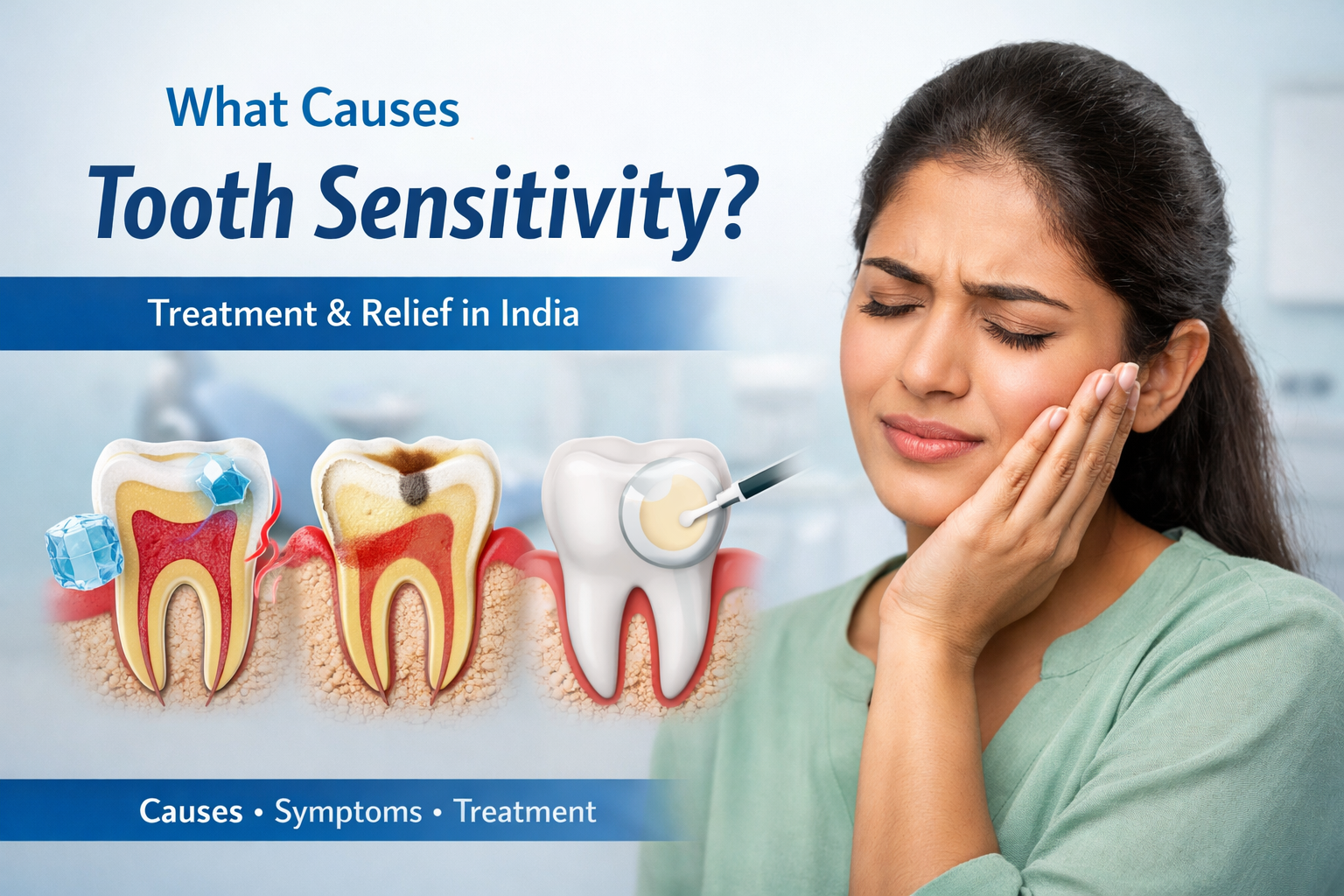
What Causes Tooth Sensitivity?
If you feel a sharp, sudden pain when you drink cold water, eat something sweet, or even brush your teeth, you’re not alone—and more importantly, it’s not something you should ignore. Tooth sensitivity is one of the most common dental problems, but behind that quick pain is usually a deeper reason your teeth are trying to signal.
For some people, it starts suddenly. For others, it slowly gets worse over time. You may be wondering, “Is this just normal, or is something wrong with my teeth?” The truth is, sensitivity is not a disease—it’s a symptom. It often points to issues like enamel wear, gum recession, or early tooth damage that can be treated effectively if addressed early.
The good news is that most cases of tooth sensitivity can be managed—and often completely relieved—with the right approach. Whether it’s simple changes in your daily habits or targeted dental treatment, understanding the root cause is the first step toward long-term relief.
If your teeth have been reacting to hot, cold, or sweet foods, this guide will help you understand exactly what’s happening—and what you can do about it.
Quick Answer – What Causes Tooth Sensitivity?
Tooth sensitivity, also known as dentin hypersensitivity, happens when the protective outer layer of your tooth (enamel) wears down or your gums recede, exposing the inner layer called dentin. This dentin contains tiny channels that connect directly to the nerve inside your tooth. When triggered by cold, heat, sweets, or even air, these channels send a sharp, sudden signal to the nerve—this is the pain you feel.
It’s important to understand that sensitivity itself is not the problem—it’s a sign that something underneath needs attention. In many cases, it starts small but can become more uncomfortable if the root cause is not addressed.
The most common causes of tooth sensitivity include:
- Enamel wear from acidic foods, beverages, or aggressive brushing
- Gum recession exposing the tooth roots
- Tooth decay, cavities, or worn fillings
- Grinding or clenching of teeth (often unnoticed during sleep)
- Cracks or minor fractures in teeth
- Temporary sensitivity after treatments like whitening or fillings
Each of these causes affects the tooth differently, but they all lead to one core issue—exposed dentin.
Understanding Tooth Sensitivity – The Science in Simple Words
To really understand why your teeth feel that sudden sharp pain, it helps to look at how a healthy tooth is built—without getting too technical.
A tooth has multiple layers. The outermost layer is enamel, which is the hardest substance in your body and acts like a shield. Beneath that is dentin, a softer layer filled with microscopic channels. At the center is the pulp, where the nerves and blood supply live. Around the root, instead of enamel, there’s a thinner protective layer called cementum, which is much easier to wear away.
Now, when your enamel is strong and your gums are healthy, the dentin stays completely protected. You don’t feel pain because nothing is reaching the nerve. But the moment this protection weakens—whether from enamel erosion or gum recession—the dentin becomes exposed.
Here’s where the sensitivity begins.
Inside dentin are tiny tubes connected directly to the nerve. When you eat something cold, hot, or sweet, it causes movement within these tubes. This movement triggers the nerve inside the tooth, creating that quick, sharp, almost electric pain you feel. It’s not lingering pain—it’s fast and sudden, because it’s a direct response.
This is why even a small exposed area can feel extremely uncomfortable.
Teeth near the gum line are often more sensitive because when gums recede, they expose the root surface—and unlike enamel, this area doesn’t have strong protection. That’s also why sensitivity often starts near the edges of your teeth or in specific spots rather than the entire tooth.
Once you understand this, it becomes clear that sensitivity is not random. It’s your tooth reacting to exposure—and that exposure always has a cause.
Common Causes of Tooth Sensitivity (With Real-Life Examples)
Tooth sensitivity doesn’t happen without a reason. In most cases, it’s the result of everyday habits or gradual changes in your teeth and gums that go unnoticed until the pain starts. Understanding these causes will help you connect your symptoms with what might actually be happening in your mouth.
Enamel Wear and Erosion
Your enamel is strong, but it’s not indestructible. Over time, it can wear down due to frequent consumption of acidic or highly sugary foods and drinks. In our daily Indian diet, this often means the sudden temperature changes from piping hot chai to ice-cold lassi, biting into acidic raw mango (kacchi kairi), or indulging in sweet treats like jalebi or barfi. If you tend to sip sugary tea or coffee throughout the day, the enamel erosion accelerates even faster.
Gum Recession and Exposed Tooth Roots
Your gums are meant to cover and protect the roots of your teeth.But when gums start receding—often a sign that you might need professional Periodontics & Gum Treatments—the roots get exposed.
Unlike the crown of your tooth, the root doesn’t have strong enamel protection. So even mild triggers like cold air or water can cause discomfort.
This type of sensitivity usually feels localized near the gum line. You might also notice your teeth appearing slightly longer than before or small notches forming near the base.
Tooth Decay, Worn Fillings, and Cracks
Sometimes sensitivity is not generalized—it’s focused on one specific tooth. This is often a sign of something more localized like a cavity, a small crack, or a worn-out filling.
When decay or damage creates an opening in the tooth, it allows external stimuli to reach the inner layers more easily. Catching this early allows us to use Minimally Invasive Dentistry techniques and Tooth Coloured Fillings to seal the tooth and stop the sensitivity immediately.
If the pain is always in the same spot, especially during chewing, it’s worth paying closer attention.
Tooth Grinding (Bruxism) and Clenching
Many people grind or clench their teeth without even realizing it, especially during sleep. Over time, this constant pressure wears down the enamel and can even create tiny cracks in the teeth.
You may not notice the grinding itself, but there are signs:
- Sensitivity without an obvious reason
- Jaw stiffness or pain in the morning
- Teeth edges appearing flattened or worn
This kind of damage builds slowly but can lead to significant sensitivity if ignored.
Recent Dental Treatments and Whitening
If your sensitivity started after a dental procedure or professional Teeth Whitening, it’s often a temporary side effect of the enamel pores opening up.. Treatments like whitening or fillings can sometimes irritate the inner part of the tooth or expose sensitive areas for a short time.
In most cases, this type of sensitivity reduces within a few days. However, if it continues, it’s best to have it checked.
Other Contributing Factors
There are also less obvious reasons that can make your teeth more sensitive. Conditions like dry mouth reduce the natural protection your saliva provides. Frequent vomiting or acid reflux can expose your teeth to stomach acids, which gradually erode enamel.
Even orthodontic treatments or changes in bite alignment can sometimes trigger temporary sensitivity.
Symptoms – How Do You Know If You Have Tooth Sensitivity?
Tooth sensitivity is usually easy to recognize because of how specific the pain feels. It’s not a constant ache—it’s quick, sharp, and triggered by something very particular. Most people first notice it during normal activities like drinking cold water or brushing their teeth.
Common triggers include cold foods like ice cream, hot drinks like tea or coffee, sweets, sour foods, and sometimes even cold air. Brushing or flossing a specific area can also create that sudden jolt of discomfort. The pain typically appears quickly and fades once the trigger is removed.
In some cases, the sensitivity may affect multiple teeth, especially when it’s related to enamel wear. In other situations, it may be limited to one tooth, which often points to a more specific issue like a cavity or a crack.
The pattern of pain matters more than the trigger itself.
If the pain is short, sharp, and only occurs when something touches the tooth, it is usually linked to exposed dentin. But if the pain starts lingering, becomes stronger, or appears without any clear trigger, it may indicate a deeper problem.
A few warning signs you should not ignore:
- Pain that lasts longer than a few seconds
- Sensitivity that keeps increasing over time
- Discomfort while chewing or biting
- Swelling in the gums or around a tooth
- A visible hole, crack, or dark spot
These signs suggest that the issue may go beyond simple sensitivity and needs closer attention.
Is Tooth Sensitivity a Serious Problem?
Tooth sensitivity often starts small, and that’s why many people ignore it. A slight discomfort here and there doesn’t feel urgent. But in reality, sensitivity is usually the beginning of something—not the end.
If it’s occasional and mild, it may be due to temporary enamel irritation or minor wear. However, when it becomes frequent, more noticeable, or starts affecting specific teeth, it usually points to an underlying issue that won’t resolve on its own.
The real concern is what sensitivity can lead to if ignored.
Over time, exposed dentin remains vulnerable. Enamel doesn’t grow back, and receding gums don’t naturally return to their original position. If the cause is decay or a crack, the problem can slowly progress deeper into the tooth.
This can eventually result in:
- Infection reaching the inner pulp, which may require advanced care like a Laser Microscope Assisted RCT
- Increased risk of severe tooth damage or loss, potentially leading to the need for Crowns / Bridges or Dental Implants
At the same time, there’s no need to panic. Most cases can be handled easily when caught early.
The mistake is trying to manage the pain without understanding the cause. Temporary relief solutions may reduce discomfort, but they don’t stop the underlying issue from progressing.
If your sensitivity is becoming more frequent or noticeable, it’s a signal—not something to ignore. Getting it checked early can keep treatment simple, effective, and far less stressful.
When Should You See a Dentist for Tooth Sensitivity?
It’s natural to wait and see if sensitivity improves on its own. But the right time to act is when the pattern changes—from occasional discomfort to something that keeps coming back or starts interfering with your routine.
You should consider seeing a dentist if:
- The sensitivity lasts more than a week or keeps returning
- The pain feels sharp, strong, or lingers after eating or drinking
- It is focused on one specific tooth
- You feel discomfort while chewing or biting
- There are visible signs like a crack, cavity, or worn area
- Your gums are receding, swollen, or bleeding
- Sensitive toothpaste hasn’t made a difference
These signs usually indicate that the cause needs professional attention.
A dental check-up for sensitivity is straightforward and focused. The dentist will examine your teeth and gums, look for signs of enamel loss, decay, or gum recession, and may recommend a Full Mouth X-Ray if something deeper below the gum line needs evaluation. The goal is simple—identify the exact cause and recommend the right solution.
Most importantly, early diagnosis often leads to simpler and more affordable treatment.
If your teeth have been reacting more than they should, this is the right time to get clarity. A quick evaluation can turn uncertainty into a clear plan for relief.
Best Treatments for Tooth Sensitivity (From Home Care to Clinic Procedures)
Once you understand that sensitivity is caused by exposure—whether from enamel wear, gum recession, or damage—the next step is knowing how it can be treated. The approach always depends on the cause, but in most cases, sensitivity can be reduced significantly with the right care.
Treatment often begins at home. Using a desensitizing toothpaste is one of the most effective starting points. These products help reduce the nerve response or block the tiny channels in dentin that trigger pain. However, consistency matters—you need to use them regularly for a few weeks to notice improvement.
Brushing technique also plays a major role. Switching to a soft-bristled toothbrush and brushing gently prevents further damage. Continuing aggressive brushing can slow down recovery, even if you’re using the right products.
Diet adjustments can also make a noticeable difference. Reducing frequent exposure to acidic foods and drinks, or simply rinsing your mouth with water after consuming them, helps protect your enamel from further erosion.
But when the cause goes beyond surface-level issues, professional treatment becomes necessary.
Dentists use targeted methods to treat sensitivity at its source.Professional Fluoride Therapy helps strengthen your enamel and makes your teeth much more resistant to external triggers.
If cavities, cracks, or worn fillings are involved, they need to be treated directly. In such cases, restorations are used to rebuild and protect the tooth. When gum recession is the cause, gum treatments may be required to reduce exposure and restore health.
For patients who grind their teeth, a custom night guard can prevent further enamel wear and give the teeth a chance to recover.
What’s important to understand is that there is no universal solution. The same symptom can have different causes, and each cause requires a different approach.
Once the root cause is identified and treated properly, sensitivity usually reduces significantly—and in many cases, it can be completely resolved.
Prevention – How to Protect Your Teeth From Future Sensitivity
Once sensitivity is treated, the next step is making sure it doesn’t come back. Prevention is not complicated—it’s about small, consistent habits that protect your enamel and keep your gums healthy.
Brushing regularly is important, but the way you brush matters more. Using a soft-bristled toothbrush with gentle pressure helps clean your teeth without damaging the enamel or irritating your gums. Brushing too hard may feel effective, but over time it contributes to both enamel wear and gum recession.
Your choice of toothpaste also plays a role. If you’ve experienced sensitivity, continuing with a dentist-recommended toothpaste helps maintain protection. Avoiding abrasive products or harsh powders is equally important.
Diet has a direct impact on enamel health. Frequent consumption of acidic drinks and foods gradually weakens the protective layer of your teeth. Simple habits like reducing constant sipping, rinsing your mouth after acidic intake, and not brushing immediately after such foods can make a noticeable difference.
If you grind or clench your teeth, addressing it early is important. Many people are unaware of this habit, but it can significantly wear down enamel over time. In such cases, using a night guard as advised by a dentist can prevent further damage.
Regular dental check-ups help catch early signs before they turn into sensitivity. Prevention is always easier, more comfortable, and more affordable than treatment.
The key is consistency. When your daily habits support your dental health, sensitivity becomes far less likely to return.
FAQ – Tooth Sensitivity
What is the main cause of tooth sensitivity?
The most common cause is exposure of dentin, which happens when enamel wears down or gums recede. This allows external triggers like cold or sweet foods to directly affect the nerve inside the tooth.
Can tooth sensitivity go away on its own?
Mild or temporary sensitivity may improve on its own, especially after procedures like whitening. However, if it’s caused by enamel loss, decay, or gum issues, it usually requires proper treatment.
When should I see a dentist for sensitive teeth?
If sensitivity lasts more than a week, becomes stronger, or is focused on one tooth, it’s best to get it checked. Persistent sensitivity often indicates an underlying issue.
How do dentists treat tooth sensitivity?
Treatment depends on the cause and may include fluoride applications, sealing exposed areas, treating cavities, managing gum problems, or using a night guard for grinding.
Which toothpaste is best for sensitive teeth in India?
Toothpastes with ingredients like potassium nitrate or stannous fluoride are commonly recommended. The right choice depends on your specific condition.
Does tooth grinding cause sensitivity?
Yes, grinding can wear down enamel and create small cracks, leading to dentin exposure and sensitivity over time.
Is tooth sensitivity a sign of a cavity or gum disease?
It can be. While not always serious, sensitivity is often an early sign of underlying dental issues that should not be ignored.
How can I prevent my teeth from becoming sensitive again?
Gentle brushing, using the right toothpaste, limiting acidic foods, and regular dental check-ups help prevent sensitivity from returning.
Final Takeaway
Tooth sensitivity may seem like a small issue, but it’s often your body’s way of signaling that something needs attention. The sooner you understand the cause, the easier it is to treat—and the more comfortable your daily life becomes.
You don’t have to keep adjusting your habits around pain or avoiding certain foods. With the right care and guidance, sensitivity can be managed effectively—and in many cases, completely resolved.
If your teeth have been reacting more than they should, now is the right time to take action. A simple check-up can give you clarity, relief, and confidence in your dental health.
Expert Tooth Sensitivity Treatment at Smile Craft Bangalore
If you’ve been searching for “tooth sensitivity treatment near me” in Bangalore, you likely want a fast, effective solution without unnecessary procedures or confusing jargon. At Smile Craft Advanced Dental Clinic, our approach is different—we identify the exact root cause of your sensitivity so the problem doesn’t keep coming back.
Treatment varies depending on whether your pain is caused by enamel wear, gum recession, or a hidden cavity. For some patients, a quick desensitizing treatment or fluoride varnish in our clinic provides immediate relief. For others, restoring a damaged tooth, addressing gum health, or creating a custom night guard for teeth grinding is the right solution.
What you can expect during your visit:
- Accurate Diagnosis: We carefully evaluate your specific triggers and use digital X-rays if needed to rule out hidden issues.
- Complete Transparency: We explain the problem in simple language and provide clear, upfront costs before any treatment begins.
- Comfort-First Care: Our unhurried, gentle approach is designed to minimize anxiety and keep you comfortable.
You don’t have to keep adjusting your diet around your tooth pain. If sensitivity is affecting your daily life, the right treatment can help you move from discomfort to relief quickly and confidently.