Stop guessing what is causing your sweet toothache. Our specialized dental team diagnoses the precise physical and chemical triggers behind your sensitivity to deliver targeted, long-lasting treatment.
If a sudden, sharp “zing” or a lingering dull ache cuts your favorite treats short, your teeth are sending a biological warning signal. At our state-of-the-art dental clinic, we look beyond the surface to treat the root cause of your discomfort—whether it is microscopic enamel wear or an underlying cavity.
- Sharp, Sudden Flash of Pain? It could be exposed dentinal tubules reacting to osmotic fluid shifts.
- Dull, Throbbing, or Lingering Pain? This often indicates a deeper structural issue or early-stage decay that requires immediate attention.
Don’t let a minor sensitivity turn into an emergency endodontic issue. Schedule a comprehensive dental exam today to protect your smile and eat without fear.
Call or message Smile Craft Advance Dental Care to book your relief appointment now.
⚡ Only takes 60 seconds | Choose your preferred clinic location
Beyond the “Zing”: The Reality of Sweet-Induced Tooth Pain
It usually starts the same way. You take a bite of chocolate, enjoy a spoonful of dessert, or sip a sweetened drink, and an unexpected, sharp electric shock flashes through your jaw. For a few seconds, everything stops. Alternatively, perhaps your discomfort isn’t a quick flash, but a deep, throbbing ache that lingers long after you finish eating, making it impossible to focus on anything else.
Dealing with a toothache from sugar is more than a minor annoyance—it is an unpredictable daily frustration that forces you to change how you eat, drink, and live.
             [ THE PAIN TIMELINE ]

    Sweet Exposure ──► Sharp "Zing" (A-δ Fibers)
                             │
                             ▼
    Delayed Throbbing ──► Deep Pulpal Pressure (C Fibers)
Many people try to ignore these warning signs, assuming it is just temporary sensitivity that will fade on its own. They cut out certain foods or chew exclusively on one side of their mouth to avoid a flare-up. But masking the discomfort doesn’t stop the underlying problem.
That sudden reaction to sugar isn’t a random event. It is a precise biological indicator that the protective layers of your teeth have been compromised, leaving the delicate nerve pathways inside exposed to harsh environmental shifts. Ignoring this warning window gives minor, easily treatable issues the time they need to evolve into painful, costly structural damage.
The Clinical Science of Sweet-Induced Odontalgia—and How We Treat It
To permanently fix a sweet toothache, a clinical team must look beyond surface-level symptoms. Your teeth are complex, living structures. When sugar triggers a painful reaction, it is caused by a failure in your teeth’s protective mineralized shields, which sets off a rapid series of physical and chemical chain reactions.
Our clinic specializes in diagnosing these exact cellular and structural breakdowns to deliver targeted, restorative care.
+--------------------------------------------------------------------------+
|                       THE BIOPHYSICAL CHAIN REACTION                     |
|                                                                          |
|  Sugar Exposure  ──►  Osmotic Pull  ──►  Fluid Shift  ──►  Nerve Trigger  |
|  (High Osmolarity)   (Outward Velocity) (2-4 mm/sec)    (Acute Sharp Pain)|
+--------------------------------------------------------------------------+
1. Microscopic Fluid Dynamics: Treating Exposed Dentinal Tubules
When your protective outer enamel or root cementum wears thin, the underlying layer—known as dentin—becomes exposed and vulnerable. Under a scanning electron microscope, sensitive dentin reveals up to eight times the density of open dentinal tubules compared to healthy teeth, and these microscopic channels are significantly wider.
When you eat or drink something sugary, it triggers an immediate physical reaction governed by fluid dynamics:
- The Osmotic Gradient: The natural fluid inside your tooth has a low solute concentration. High-sugar treats have a very high concentration (osmolarity).
- The Hydrodynamic Shift: When sugar touches exposed dentin, it acts like a powerful microscopic sponge, pulling the internal fluid outward at a rapid speed of 2 to 4 mm per second.
- The Nerve Flash: This sudden outward movement deforms and activates the sensitive, low-threshold mechanoreceptors located right at your tooth’s nerve center, sending a sharp, electric shock to your brain.
Our Targeted Treatment Pathway: We don’t just recommend covering the tooth. Through precise clinical examinations and a focus on Minimally Invasive Dentistry, we identify the exact areas of exposure.. For immediate relief, we utilize in-office Biomimetic Occluding Therapies and medical-grade desensitizing varnishes that physically plug and seal these open channels, stopping fluid movement and ending the hydrodynamic pain cycle at the source.
2. Plaque Chemistry: Reversing the 30-Minute Demineralization “Danger Zone”
Sugar doesn’t just pull fluid out of your teeth; it also changes the chemistry of your saliva and plaque. When you ingest carbohydrates, acidogenic bacteria in your mouth (like Streptococcus mutans) rapidly ferment the sugar, producing organic acids. This drops your mouth’s pH level—a process mapped by the Stephan Curve.
The health of your teeth relies on a delicate mineral balance. The solid mineral phase of your teeth, made of hydroxyapatite, constantly exchanges ions with your saliva:
- Safe Zone (pH 6.5–7.0): Your saliva is saturated with calcium and phosphate, actively rebuilding your enamel.
- The Critical Threshold (pH < 5.5 for Enamel, < 6.2 for Dentin): When bacterial acids plunge your oral pH past this critical line, free hydrogen ions strip away your plaque’s phosphate. The mineral balance plummets, causing your protective crystals to break down and dissolve.
       [ THE STEPHAN CURVE DANGER ZONE ]
  pH
  7.0 |--- Safe Zone (Remineralization) ----------
      |
  5.5 |======================= Critical Threshold (Enamel)
      |   \                 /
  4.5 |____\_Danger Zone___/___ (Acidic Plateau: 10-30 Mins)
      +-----------------------------------------
      0   5  10            30              60 Mins
Every snack restarts this timeline. Frequent snacking keeps your teeth in a constant, softened state of decay, paving the way for deep cavities.
Our Targeted Treatment Pathway: If your sweet sensitivity is driven by a drop in pH and early-stage demineralization, we provide advanced, prescription-strength Remineralization Protocols. We offer clinical applications of highly concentrated Fluoride Therapy varnishes., This lowers your tooth’s critical dissolving point to an ultra-resistant pH of 4.5, protecting your teeth from future acid attacks.
How Different Sweet Textures Impact Your Teeth
Not all sugars cause the same level of damage. The physical form and texture of what you eat dictate how long your teeth remain trapped in the demineralization danger zone:
- Highly Sticky Sugars (Dates, Honey, Jaggery, Caramels): These foods are highly viscous and cling tightly to your molars’ deep grooves and the spaces between your teeth. They provide a continuous food supply for acid-producing bacteria, extending the acidic drop of the Stephan Curve and preventing your saliva from naturally repairing your teeth.
- Slow-Dissolving Sugars (Hard Candies, Lollipops): Because these treats stay in your mouth for several minutes, they keep a high concentration of sugar in your saliva, bathing your teeth in an active osmotic solution that triggers continuous nerve irritation.
- Liquid & Acidic Sugars (Sodas, Sports Drinks, Sweetened Juices): These liquids provide immediate, widespread contact across all your teeth. They combine direct chemical acid wear with a rapid osmotic trigger, causing sudden and intense sensitivity while significantly delaying your mouth’s natural pH recovery.
Whether your pain is caused by sticky sugars trapping bacteria or a rapid hydrodynamic shift from a sweetened drink, our team is equipped to pinpoint the structural or chemical failure and restore your peace of mind.
How We Find the Source: Our Sweet Toothache Diagnostic Matrix
An accurate treatment plan requires a precise diagnosis. Because sweet-induced tooth pain can stem from several distinct structural or anatomical issues, our clinical team uses a structured differential diagnostic matrix to identify the exact cause of your discomfort.
Structural and Anatomical Pathologies of Sugar-Induced Discomfort
| Primary Cause | Biophysical Mechanism | Pain Characteristics | Key Risk Factors |
| Dentin Hypersensitivity (DHS) | Enamel or root protection wears thin; sugary fluids rapidly pull fluid out, irritating the nerve. | A sharp, fleeting “zing” during sweet contact; stops immediately when food/drink is removed. | Aggressive brushing, highly acidic diet, recent whitening treatments. |
| Early Tooth Decay (Caries) | Bacterial acids create micro-cavities in enamel; sugar enters these gaps to reach deep dentin. | Localized, lingering pain when eating sweets; often highly reactive to cold temperatures. | High-sugar diet, poor oral hygiene, low fluoride exposure. |
| Exposed Roots (Gum Recession) | Gums pull back, exposing soft root cementum which wears down quickly, uncovering dentin. | Sharp discomfort concentrated right at the gumline, especially with sweet liquids. | Hard-bristled brushing, history of gum disease, advancing age. |
| Cracked Tooth / Damaged Fillings | Gaps or fractures let sugar seep deep into sensitive inner structural layers. | Intermittent, sharp pain when biting down or when chewing sticky sweets. | Teeth grinding (bruxism), chewing ice, old or worn fillings. |
| Super-Erupting Tooth | A missing opposing tooth causes a tooth to shift, creating spaces where food and plaque trap. | Chronic, dull ache; food trapping between teeth; root sensitivity near the gumline. | Unreplaced missing teeth, poor bite alignment, failing old dental restorations. |
Your Diagnostic Journey: What to Expect During Your Evaluation
To map your pain pathways accurately, our dentists perform a series of targeted, non-invasive diagnostic tests during your clinical exam. This process allows us to differentiate between simple surface sensitivity and deeper internal nerve issues.
1.Pulp Sensitivity Testing (Cold Test):Evaluates nerve health.
We apply a specialized cold stimulus to the outer crown of the tooth. An immediate, brief sharp pain that vanishes in less than two seconds confirms a healthy, vital nerve. Lingering pain indicates deeper inflammation (pulpitis), while no response suggests the nerve has degraded.
2.Structural Percussion & Palpation:Checks for hidden inflammation.
Our team gently taps the tooth along its natural axis and checks the surrounding gum tissue. Tenderness during this step helps us see if inflammation has spread past the tooth and into the surrounding supporting structures.
3.Periodontal Probing & Mobility Checks:Assesses the root foundations.
Using a fine, blunt-tipped instrument, we measure the health of your gum line. Probing depths greater than 3 mm highlight active gum recession or deep pockets that are exposing sensitive root surfaces to sweet triggers.
4.Advanced Radiographic Examination:Reveals what the eyes miss.
We take high-definition Full Mouth X‑Rays to look beneath the surface.. This step is essential for uncovering hidden decay between your teeth, structural micro-fractures, failing old fillings, or bone changes around the root tip.
From Daily Habits to Clinical Solutions: Pathways to Permanent Relief
Resolving sweet-induced tooth pain requires a dual approach: immediate at-home care to calm hyperactive nerves and professional clinical treatments to repair broken or decayed tooth structures.
Proven At-Home Protocols for Managing Mild Sensitivity
If your clinical evaluation shows that your sweet sensitivity is caused by early enamel wear or minor root exposure rather than active decay, these daily habits can help protect your teeth:
| Home-Care Routine | Daily Application Technique | Active Biological Mechanism | Expected Clinical Outcome |
| Nerve-Calming Toothpaste (e.g., Potassium Nitrate) | Brush twice daily with a soft brush; do not rinse your mouth out with water immediately after brushing. | Potassium ions diffuse deep into open tubules, creating a protective barrier that blocks pain signals. | Calms hyperactive nerves and reduces sharp “zing” sensations within 2 to 4 weeks. |
| Biomimetic Occluding Pastes (Nano-Hydroxyapatite) | Brush twice daily, allowing the paste to sit on sensitive areas near the gumline. | Deposits natural calcium and phosphate crystals to physically plug and seal open dentinal tubules. | Instantly reduces sensitivity by blocking fluid shifts and stopping the hydrodynamic trigger. |
| Post-Sweet Rinsing Protocol | Swish vigorously with plain water immediately after consuming sweet foods or drinks. | Flushes away lingering sugars and acids before they can settle into your plaque. | Helps your saliva neutralize acids faster, protecting temporarily softened enamel. |
| Xylitol Chewing Gum | Chew sugar-free gum containing xylitol for 20 minutes after meals or snacks. | Stimulates your salivary glands, increasing healthy salivary flow rates up to ten times. | Delivers mineral-rich saliva to wash away debris, buffer acids, and support natural enamel repair. |
| Enamel-Safe Brushing Habits | Use a soft-bristled brush with light pressure; wait at least 30 minutes after eating sweets to brush. | Prevents mechanical abrasion on enamel that has been temporarily softened by bacterial acids. | Halts enamel wear and stops gum recession from getting worse over time. |
In-Office Treatments: How We Fix the Underlying Structural Damage
When a sweet toothache is caused by active decay, structural cracks, or deep nerve inflammation, at-home routines are not enough. Our clinic provides targeted, comfortable clinical treatments to repair your teeth and give you long-term relief:
               [ CLINICAL PATHWAYS TO RELIEF ]

    ┌──────────────────────┼──────────────────────┐
    ▼                      ▼                      ▼
Surface Damage       Deep Tooth Decay       Internal Nerve Damage
(Fluoride Varnish)   (Composite Fillings)   (Root Canal Therapy)
- Professional Fluoride Varnish: We apply a medical-grade, highly concentrated varnish directly to exposed dentin. This material reacts with your saliva to seal open tubules and forms a protective layer called fluorapatite. This lowers your enamel’s critical dissolving point to an ultra-resistant pH of 4.5, making it highly resistant to future acid attacks.
- Direct Composite Restorations (Dental Fillings): For active cavities, we gently clean out the decayed tooth structure and seal the area with a durable, tooth-colored composite filling. This restores your tooth’s shape and completely blocks sugar and bacteria from reaching sensitive internal nerves.
- Full-Coverage Crowns: If a tooth has a deep crack, a massive cavity, or a compromised structure, a custom crown from our Crowns / Bridges service is the ideal choice. The crown acts as a protective cap that reinforces the fragile tooth, shielding it entirely from osmotic fluid shifts and physical biting pressure.
- Surgical Gum Grafts: When severe gum recession leaves sensitive root surfaces exposed, our specialists in Periodontics & Gum Treatments can perform a precise gum graft. This covers the vulnerable roots with healthy tissue, protecting them from sweet, hot, or cold triggers.
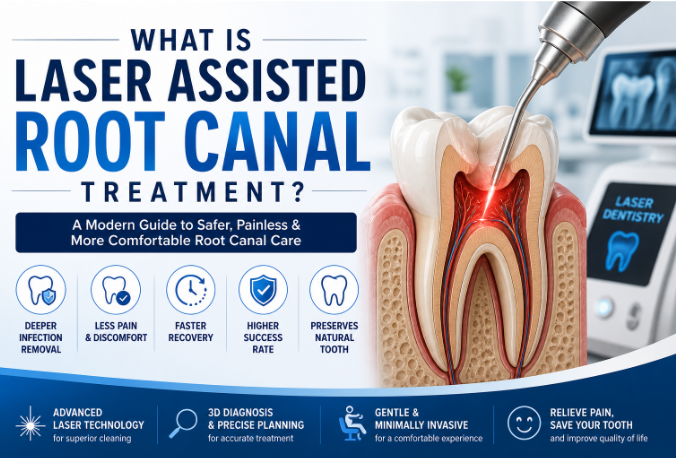
- Advanced Endodontic Therapy (Laser Microscope Assisted Rct): If deep decay has caused: irreversible nerve inflammation or an internal infection, a root canal is the safest way to eliminate your pain while saving your natural tooth.
Our team performs root canals using a comfortable, highly reliable process: we numb the area completely, isolate the tooth for safety, clean out the damaged nerve tissue, thoroughly disinfect the root channels, .and seal the area with a durable, Tooth Coloured Filling.
Frequently Asked Questions About Sweet Tooth Pain
Before scheduling a visit, many patients want to understand what their symptoms mean and what to expect during their clinical consultation. Here are the answers to the most common questions our clinical team receives:
Why do my teeth hurt when I eat sugar but not at other times?
This specific reaction is driven by an osmotic pressure gradient. High-sugar solutions have an incredibly high solute concentration (osmolarity). When they contact exposed, patent dentinal tubules, they act like a microscopic sponge, rapidly drawing the natural fluid inside your tooth outward at velocities of 2 to 4 mm per second. This sudden outward fluid displacement causes sharp localized pressure shifts that physically deform and irritate the nerve terminals at your tooth’s core, causing an immediate shock even if temperature shifts don’t bother you.
Does a sweet toothache mean I automatically need a root canal?
Not necessarily. If your pain is a brief, sharp flash that disappears the moment the sweet food or drink is removed, it is typically a sign of dentin hypersensitivity or a shallow cavity, .which can be easily resolved with a desensitizing varnish or a conservative Tooth Coloured Filling. However, if the pain is a dull, throbbing ache that lingers for more than 30 seconds after eating sweets, occurs spontaneously, or disrupts your sleep, the inflammation has reached the internal pulp tissue. In these cases, advanced endodontic therapy (a root canal) is required to safely eliminate the infection and preserve the natural tooth.
Why is it a mistake to brush my teeth immediately after eating sweets?
When acidogenic bacteria ferment sugar in your mouth, they release organic acids that plunge your oral plaque pH below the critical threshold of 5.5. This acidic environment temporarily softens your enamel matrix by stripping away its surface minerals. If you brush your teeth during this 30-minute demineralization danger zone, the friction physically abrades and wears away your temporarily softened enamel. It is far safer to vigorously rinse your mouth with plain water right after eating sweets to dilute the sugars, then wait 30 minutes for your saliva to naturally neutralize the acids and rebuild your mineral density before brushing.
Is drinking milk or water better after a sugary snack?
Clinical studies demonstrate that drinking whole milk is the fastest way to return your plaque pH to safe, normal levels. Milk naturally contains calcium, phosphate, and buffering proteins that neutralize bacterial acids and actively support enamel remineralization. While rinsing with tap water provides moderate benefits by diluting sugars, you should completely avoid rinsing with fruit juices, as their inherent acidity extends the demineralization phase and delays your mouth’s natural recovery.
Don’t Let a Temporary “Zing” Become a Major Dental Emergency
Tooth pain after eating sweets is a precise biological warning sign that your tooth’s mineralized shield is compromised. Caught early, a sweet toothache can be resolved with fast, non-invasive, and cost-effective treatments like professional desensitizing varnishes or minor cavity restorations. Waiting until the pain becomes a constant, throbbing ache increases your risk of severe nerve damage and the need for more complex endodontic care.
Choose Your Path to Long-Term Relief
  [ MILD & BRIEF SENSITIVITY ]             [ LINGERING OR THROBBING PAIN ]
  - Sharp, temporary flash                 - Pain lasts more than 30 seconds
  - Stops when food is removed             - Spontaneous or disrupts sleep
                │                                         │
                ▼                                         ▼
   Try At-Home Occluding Pastes             Requires a Clinical Exam
If you are dealing with persistent discomfort, suspect an underlying cavity, or want our specialists to evaluate your enamel health under a comprehensive diagnostic framework, our team is ready to restore your smile.
[ Book Your Sweet Toothache Evaluation Today ]
⚡ Fast Online Scheduling | Insurance Verification Included | Priority & Emergency Slots Available