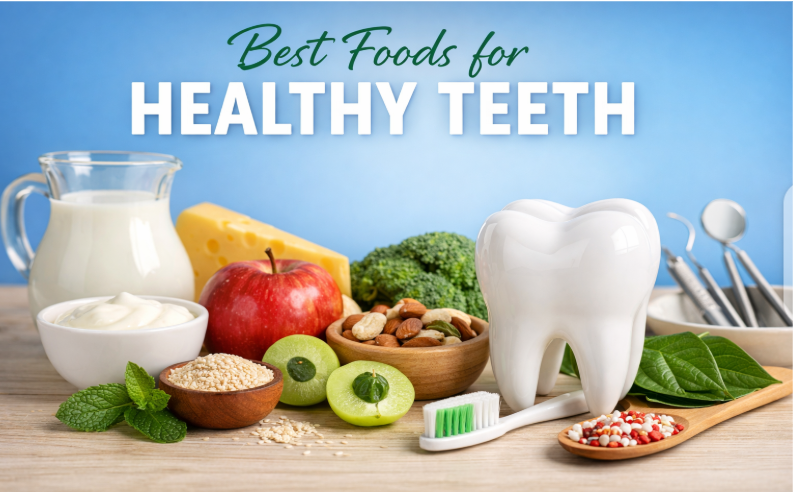
best foods for healthy teeth for strong enamel and gums
1. Why Your Teeth Depend on What You Eat
Most people believe that brushing twice a day is enough to keep their teeth healthy. But here’s the truth—your toothbrush can only clean the surface. What actually determines the strength of your teeth is what you eat every single day.
If you’ve ever experienced tooth sensitivity, bleeding gums, or frequent cavities, it’s often not just a hygiene issue—it’s a nutritional gap. Your teeth are living structures that constantly go through a cycle of damage and repair. And that repair process depends heavily on the nutrients your body receives.
At Smile Craft Advance Dental Care, Bangalore, we often see patients who maintain good brushing habits but still struggle with weak enamel or gum issues. The missing piece? A diet that supports true dental strength from within.
This guide will help you understand not just which foods are good for your teeth, but why they work—and how you can use everyday choices to naturally strengthen your teeth, reduce dental problems, and protect your smile long-term.
2. The Science of Strong Teeth (Biochemistry Simplified)
To truly understand how food affects your teeth, you need to look beyond the surface and understand what’s happening inside your mouth every day. Your teeth are not static—they are constantly going through a process of breakdown and repair.
Every time you eat, especially sugary or starchy foods, the bacteria in your mouth feed on those particles and produce acid. This acid lowers the pH level in your mouth. When the pH drops below a critical level (around 5.5), your enamel—the hard outer layer of your teeth—starts losing essential minerals like calcium and phosphate. This process is called demineralization. In modern minimally invasive dentistry, our goal is always to catch this phase early and reverse it before structural damage occurs.
But your body is designed to protect you. Saliva plays a powerful role here. It neutralizes acids, washes away food particles, and delivers minerals back to your teeth. This rebuilding process is called remineralization. The strength of your teeth depends on how well this balance is maintained.
Now here’s where it gets more interesting—and where most content online stays superficial.
Inside your teeth, there are specialized cells called odontoblasts. These cells act like a defense system. When they detect early signs of damage or bacterial activity, they can trigger the formation of a protective barrier to shield the inner nerve of the tooth. But this system doesn’t work efficiently unless your body has the right nutrients—especially fat-soluble vitamins like D3 and K2.
This means your diet is not just influencing your teeth from the outside, but actively controlling how your teeth defend and repair themselves from within.
At Smile Craft Advance Dental Care, Bangalore, we often explain this to patients in a simple way: your mouth is either in a state of damage or repair throughout the day. And what you eat decides which side wins.
Once you understand this, the idea of “foods for healthy teeth” is no longer just a list—it becomes a strategy.
3. Essential Nutrients That Build Strong Teeth
Once you understand that your teeth are constantly repairing themselves, the next logical question is—what exactly does your body need to rebuild and protect them?
This is where nutrition becomes powerful. Not all foods strengthen your teeth equally. Your body depends on specific nutrients that directly influence enamel strength, gum health, and your mouth’s ability to fight bacteria.
Let’s break this down in a simple, practical way.
The Core Nutrients Your Teeth Depend On
Calcium is the foundation of your teeth. It helps rebuild enamel and maintain the density of your jawbone. If your diet lacks calcium, your body starts pulling it from your bones and teeth, making them weaker over time.
Phosphorus works closely with calcium. Think of it as a partner that helps calcium do its job more effectively. Without enough phosphorus, even a calcium-rich diet won’t give you full benefits.
Vitamin D3 is what allows your body to actually absorb calcium. You can eat all the calcium you want, but without it, much of the benefit is lost.
Vitamin K2 plays a critical role in directing calcium to the right places—your teeth and bones—ensuring proper mineralization.
Vitamin C supports gum health by helping in collagen production, while Vitamin A maintains the soft tissues in your mouth and supports saliva production.
What most people don’t realize is that dental problems are often a delayed response to nutritional deficiencies. Weak enamel, sensitivity, or gum issues don’t appear overnight—they develop slowly when your body doesn’t get what it needs.
At Smile Craft Advance Dental Care, Bangalore, we guide patients to look at dental health from this deeper perspective—because when nutrition improves, your teeth become naturally stronger and more resistant.
4. Best Foods for Healthy Teeth (What Actually Works and Why)
Now that you understand the nutrients your teeth need, let’s translate that into real, everyday foods. But instead of just giving you a list, it’s more useful to understand how different foods protect your teeth.
Nature’s “Detergent” Foods
Crunchy, fibrous foods like apples, carrots, and cucumbers act as natural cleaners. They require more chewing, which creates a scrubbing effect on your teeth and increases saliva flow—helping neutralize acids and wash away food particles.
Dairy: The Natural Acid Neutralizer
Dairy products like curd, milk, and cheese help raise the pH level in your mouth and protect enamel. Cheese contains casein, which forms a protective layer, while curd provides probiotics that balance oral bacteria.
Tea and Antioxidants
Green and black tea contain polyphenols that slow down harmful bacteria and reduce gum inflammation. When consumed without sugar, they become a protective habit rather than a risk.
These foods work in three ways—they clean, protect, and balance your oral environment.
5. Indian & Local Superfoods for Stronger Teeth
Most dental advice online talks about global foods, but what really makes a difference is using what’s already part of your daily diet. Indian foods—especially those commonly available in local markets—are incredibly powerful for dental health when used the right way.
The advantage here is simple: these foods are fresh, affordable, and culturally familiar. You don’t need imported “superfoods” when your regular diet already has everything your teeth need.
Everyday Indian Foods That Strengthen Teeth
Amla (Indian Gooseberry) is one of the most powerful foods for gum health. It’s extremely rich in Vitamin C, which helps repair gum tissues and reduce bleeding. Regular consumption supports stronger, healthier gums over time.
Til (Sesame Seeds) are often underrated, but they are packed with calcium. When chewed properly, they also create a mild abrasive effect that helps clean the tooth surface while strengthening enamel.
Guava offers a dual benefit. It is high in fiber, which supports natural cleaning, and rich in Vitamin C, which protects your gums. Even guava leaves have traditionally been used for their antibacterial properties.
Dahi (Curd) is one of the best foods you can include daily. It not only provides calcium but also helps balance the bacteria in your mouth due to its probiotic nature. This makes it highly effective for both teeth and gums.
Mustard (Sarson), commonly used in Indian cooking, has natural anti-inflammatory properties. In traditional practices, mustard oil has even been used for gentle gum massage to improve circulation and gum strength.
Why Local Foods Work Better Than You Think
There’s also a deeper advantage that most people overlook. Local foods are naturally aligned with your body and environment. They are fresher, less processed, and often consumed in combinations that support better nutrient absorption.
Instead of chasing trends, focusing on these everyday foods creates a sustainable routine—one that strengthens your teeth consistently without requiring major lifestyle changes.
Traditional Knowledge That Still Holds Value
In many parts of India, people have relied on natural practices for oral health long before modern dentistry. For example, using herbal twigs like Kachnar or other plant-based methods for cleaning teeth has been part of local traditions. These practices were not random—they were based on the antibacterial and protective properties of these plants.
While modern dentistry provides advanced solutions, these traditional insights still highlight an important point: nature has always offered tools to maintain oral health—we just need to use them wisely.
6. Traditional Indian Practices That Actually Work for Dental Health
Long before modern toothpaste and advanced dental treatments, people in India relied on simple, natural practices to maintain strong teeth and healthy gums. What’s interesting is that many of these methods are now being supported by modern research—they weren’t just traditions, they were practical solutions.
Datun: More Than Just a Toothbrush
Using Neem or Babool sticks, commonly known as datun, is one of the oldest oral care practices in India. When you chew the end of the stick, it turns into natural bristles that help clean your teeth.
But the benefit is not just mechanical cleaning. Neem and Babool have strong antibacterial properties. They help reduce harmful bacteria in the mouth, control plaque buildup, and support gum health.
Oil Pulling (Gandusha): A Simple Habit with Real Impact
Oil pulling involves swishing oil—usually sesame or coconut oil—in your mouth for a few minutes. It helps reduce the bacterial load in your mouth, especially the microbes responsible for plaque and bad breath.
With consistent use, it can support healthier gums and a cleaner oral environment, making it a useful addition to your routine.
Blending Tradition with Modern Care
These practices can support your oral health, but they don’t replace brushing, flossing, or professional treatment. The best results come when you combine traditional wisdom with modern dental care.
At Smile Craft Advance Dental Care, Bangalore, we encourage patients to use these methods as supportive habits—not substitutes—so they get the benefits of both worlds.
7. Food Timing & Smart Eating Habits (The Hidden Factor Most People Ignore)
Most people focus only on what they eat for dental health. But in reality, when and how often you eat can be just as important.
The 20-Minute Acid Window
Every time you eat sugary or starchy food, bacteria produce acid that remains active for about 20 minutes. During this time, your enamel is vulnerable and starts losing minerals.
If you snack frequently, your mouth never gets time to recover. It stays in a constant “acid attack” phase.
Why Snacking Less Often Matters
Instead of eating randomly throughout the day, it’s better to group your meals. When you eat during main meals, saliva production increases, helping neutralize acids and protect your teeth.
Smart Food Pairing That Protects Your Teeth
Certain food combinations can reduce damage and support recovery:
- Acidic foods with dairy help neutralize acid
- Having milk or cheese after sweets restores pH balance
- Mixing fruits with curd reduces their acidic impact
These small changes can make a significant difference without requiring major effort.
At Smile Craft Advance Dental Care, Bangalore, we often emphasize this simple principle—your teeth need recovery time. Once you respect that, your eating habits start working in your favor.
8. Why We Still Make Bad Food Choices (And How to Fix It)
Even when people know what’s good for their teeth, they struggle to follow it consistently. This is because food choices are often driven by habits, stress, and convenience—not awareness.
The Psychology Behind Cravings
During stress or fatigue, people naturally reach for soft, sugary, or processed foods. These foods are easy to consume but harmful because they stick to teeth and promote acid production.
Most of this happens unconsciously—like frequent tea with sugar or late-night snacking.
Why Habits Matter More Than Motivation
Motivation is temporary, but habits are long-term. Real change happens when small actions are repeated consistently.
Simple shifts like rinsing your mouth after tea, eating something crunchy after meals, or replacing sweets with curd can gradually become automatic behaviors.
A Practical Approach That Works
Instead of eliminating everything you enjoy, it’s more effective to adjust your choices. Choosing fibrous or crunchy foods during cravings can satisfy the urge while also helping your teeth.
At Smile Craft Advance Dental Care, Bangalore, we focus on building sustainable habits rather than strict rules—because consistency always beats perfection.
9. Local Factors That Affect Your Teeth (What Most People Overlook)
Your dental health is not influenced by food alone. Your environment, water quality, and everyday habits also play a major role—especially in India, where these factors vary widely.
Water Quality and Fluoride Levels
Fluoride is beneficial in the right amount because it strengthens enamel. But in some regions, groundwater contains higher-than-normal fluoride levels.
Excess fluoride over time can lead to dental fluorosis, where teeth develop white spots, discoloration, or a chalky appearance. While these aesthetic changes can later be corrected with cosmetic solutions like customized smile designing veneers
, prevention is key. This lifecycle tracking is particularly important in child dentistry, as their permanent teeth are still developing under the gums.
The Reality of Paan and Chewing Habits
In many parts of India, chewing paan is a common habit. While betel leaf itself has some antibacterial properties, the issue lies in the added ingredients.
Areca nut (supari) and slaked lime (chuna) are highly abrasive and can damage the soft tissues in your mouth. Over time, this can lead to serious conditions like oral submucous fibrosis, which restricts mouth opening and increases long-term health risks.
Even tobacco-free versions can still cause harm if used frequently.
Awareness Is the Real Protection
Many dental issues don’t appear suddenly—they develop slowly due to daily exposure to these factors. Once you become aware of them, you can make better decisions without needing drastic changes.
At Smile Craft Advance Dental Care, Bangalore, we focus not just on treatment, but on helping patients understand these underlying factors—because awareness is often the first step toward prevention.
10. Signs Your Teeth Need Professional Help (Don’t Ignore These Signals)
Diet and good habits can strengthen your teeth—but they have limits. When certain symptoms appear, it’s a clear indication that professional care is needed.
Warning Signs You Shouldn’t Ignore
- Persistent sensitivity to hot, cold, or sweet foods
- Bleeding or swollen gums during brushing
- Continuous toothache or discomfort
- White spots or discoloration on teeth
- Bad breath that doesn’t go away
- Loose or shifting teeth
What starts as a small cavity can quickly deep-dive into the tooth’s pulp, turning into an infection if ignored. Once the nerve is compromised, a diet change won’t fix it—you will likely require advanced laser microscope assisted RCT to save the natural tooth structure from extraction.
Why Early Action Saves You More Than Just Pain
Dental problems rarely fix themselves. What starts as a small cavity can quickly turn into an infection if ignored. Similarly, early gum issues can become serious conditions affecting the supporting bone.
The earlier you act, the simpler and more cost-effective the treatment is.
At Smile Craft Advance Dental Care, Bangalore, we always advise patients not to wait for severe pain. Early intervention not only protects your teeth but also prevents unnecessary complications.
11. Why Diet Alone Is Not Enough (And Where Professional Care Comes In)
By now, it’s clear that food and habits play a major role in maintaining strong teeth. But they are only one part of the complete picture.
Once damage has progressed—whether it’s cavities, hardened plaque, or gum infection—diet alone cannot reverse it. At that stage, professional treatment becomes essential.
For example, plaque that hardens into tartar cannot be removed by brushing. Similarly, decay that reaches deeper layers of the tooth requires clinical treatment.
This is why a combined approach works best.
At Smile Craft Advance Dental Care, Bangalore, we focus on:
- Preventing problems through nutrition and habits
- Treating existing issues with modern dental solutions
This ensures long-term results instead of temporary fixes.
Because true dental care is not just about avoiding problems—it’s about managing them effectively when they arise.
12. FAQs
When it comes to dental health and diet, people often have practical doubts. Let’s address some of the most common ones.
Can enamel grow back naturally?
Enamel cannot fully regrow once lost, but early damage can be repaired through remineralization with proper nutrition and oral care.
Which fruits are best for teeth?
Fruits like apple, guava, and amla are excellent because they provide nutrients and help clean teeth due to their fibrous texture.
Is lemon water harmful to teeth?
Lemon is beneficial for gums but highly acidic. It should be consumed in moderation and followed by rinsing with water to reduce enamel damage.
Does milk help strengthen teeth?
Yes, milk and dairy products provide calcium and help neutralize acids, supporting stronger enamel.
Are sweets always bad?
Not necessarily. The frequency of consumption matters more than quantity. Eating sweets occasionally with meals is less harmful than frequent snacking.
Can diet replace dental treatment?
No. Diet supports prevention but cannot replace professional dental care when problems already exist.
13. Your Diet Is Your First Dental Treatment
Your teeth are not just affected by what you brush—they are shaped by what you eat, how you eat, and how consistently you follow the right habits.
The real shift happens when you stop thinking of dental care as something you do twice a day and start seeing it as something you practice throughout the day through your choices.
At Smile Craft Advance Dental Care, Bangalore, we believe that the strongest smiles are built through a combination of awareness, smart habits, and timely care.
If you’re experiencing sensitivity, gum issues, or recurring dental problems, don’t ignore the signs.
Take the next step toward stronger, healthier teeth.
Book your consultation today and get a personalized plan that combines the right nutrition with the right treatment—so your smile stays protected for the long run.