What Are Dental Crowns?
If your dentist has ever mentioned that you might need a “crown,” you’ve probably had a few questions pop into your head right away. Is it a big procedure? Will it look fake? Is it really necessary, or can you just wait it out?
Dental crowns are one of the most common restorative treatments in dentistry, and for good reason. They’re often the difference between saving a tooth and losing it. In this guide, we’ll break down exactly what a crown is, when you actually need one, what the procedure looks like, and how to make it last for years to come, all explained in plain, everyday language.
At Smile Craft, we utilize advanced root canal therapies using modern technology to target deep-seated bacteria with extreme precision, ensuring faster recovery times and maximum comfort for our patients.
What Does a Dental Crown Do?
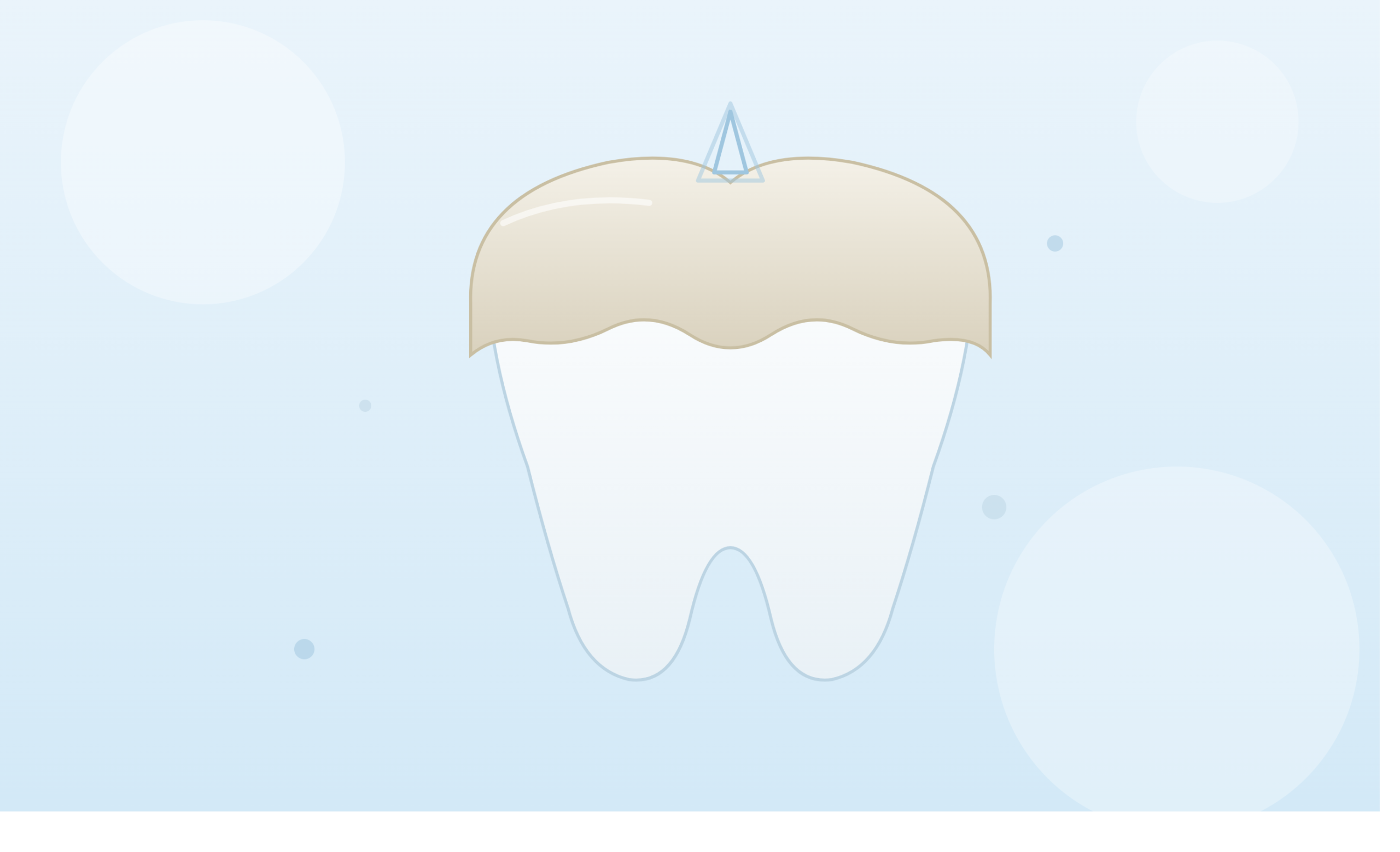
Think of a dental crown as a custom-made cap that fits snugly over your entire tooth, covering it from the gumline up. According to patient safety overviews from the American Dental Association (ADA), a properly fitted crown restores both the structural integrity and the original anatomical shape of your tooth to let you bite, chew, and smile normally.
But a crown isn’t just cosmetic. Its real job is structural. When a tooth has lost a significant amount of its natural structure due to decay, a crack, or a large filling, it becomes weak and prone to breaking under the everyday pressure of chewing. A crown wraps around the entire tooth like a protective shell, holding everything together and spreading out the force of your bite evenly, If you suspect your tooth needs this kind of structural support, you can learn more about our custom Crowns & Bridges services.
Dentists sometimes call this the “ferrule effect,” which is just a technical way of describing how the crown binds the remaining tooth structure together, almost like a metal band around a barrel, keeping it from splitting apart under pressure.
So, in short, a crown does four things at once: it restores the tooth’s shape, brings back its strength, lets you bite and chew normally again, and (depending on the material) can make it look just like a natural tooth.
Signs You Might Need a Crown
Crowns aren’t a default treatment for every dental issue, but there are several common situations where they’re often the best, or only, real solution.
A tooth with a large or failing filling. If a filling covers more than about half the width of your tooth, the remaining natural tooth structure around it is often too thin and weak to hold up on its own. Under the constant flexing of chewing, those thin walls can develop tiny cracks that eventually lead to a bigger fracture. While smaller cavities can easily be fixed with durable Tooth Coloured Fillings, choosing between a dental crown vs. filling depends entirely on how much natural tooth structure remains. A crown solves larger structural issues by encasing the whole tooth rather than relying on a patchwork of filling material. This fits right into the philosophy of minimally invasive dentistry, where the primary objective is always to preserve as much of your strong, natural tooth structure as possible.
Cracked tooth syndrome. This one’s a bit sneaky. You might feel a sharp jolt of pain when you release a bite, or a quick zing of sensitivity when you drink something cold, but the tooth looks completely normal. That’s often a sign of a hairline crack that doesn’t show up easily on an exam. Left alone, these cracks can slowly work their way deeper into the tooth until they reach the nerve, at which point a simple crown is no longer enough. Diagnostic guidelines by the American Association of Endodontists highlight that early therapeutic intervention is vital, as a crown can effectively “splint” the distinct segments of the tooth back together before the crack reaches the pulp or bone structures.
After a root canal. Root canal treatment removes the nerve and blood supply from inside a tooth, which sounds dramatic, but it’s routine and effective. The downside is that the tooth loses its internal moisture over time and becomes more brittle, almost like a dried-out twig compared to a fresh one. For back teeth especially, a crown following a Laser Microscope Assisted RCT isn’t just recommended—it’s considered essential to prevent the treated tooth from cracking under normal chewing forces.
Worn-down teeth from grinding (bruxism). If you grind your teeth at night, you might not even realize it’s happening until your dentist points out how flattened or short your teeth have become. Severe wear exposes the softer inner layer of the tooth (dentin), which wears away even faster and can make your teeth sensitive. As detailed in clinical studies by the Mayo Clinic, persistent bruxism not only compromises natural enamel but can ultimately lead to serious complications like severe jaw pain and TMJ disorders if left unmanaged. Crowns can build that lost height back up safely.
Cosmetic correction. Sometimes a tooth is discolored, oddly shaped, or chipped in a way that a simple bonding or veneer can’t fully fix. In these cases, crowns are a powerful tool used in comprehensive Smile Makeovers, completely reshaping the visible portion of the tooth for a more natural, even smile.
What Happens If You Wait Too Long?
It’s tempting to put off a crown, especially if the tooth isn’t actively hurting. But here’s the thing: teeth don’t tend to fix themselves, and small problems have a habit of becoming big ones.
If a weakened tooth is left without a crown, ongoing decay can sneak past the exposed dentin and work its way toward the nerve. Leaving the inner structures vulnerable exposes you to deeper untreated tooth infection risks that can spread well beyond a single tooth.
There’s also a ripple effect you might not expect. If a damaged tooth becomes too painful to chew on, you naturally start favoring the other side of your mouth. Over time, that uneven chewing puts extra strain on the teeth and jaw joint on that side, which can lead to jaw pain or even temporomandibular joint (TMJ) issues down the line.
The bottom line: addressing the issue with a crown early on is almost always simpler, less invasive, and more affordable than dealing with the consequences of waiting.
Types of Dental Crowns (Materials Explained Simply)
Not all crowns are created equal, and the material your dentist recommends usually comes down to where the tooth is located, how much chewing force it needs to handle, and how important it is for it to look natural.
Gold and metal alloy crowns. These have been around for decades, and there’s a reason they’re still used. Gold is incredibly durable, it flexes slightly under pressure instead of cracking, and it wears down at roughly the same rate as natural enamel, so it won’t damage the teeth it bites against. The obvious downside is the color. Because of this, gold crowns are typically reserved for back molars, where they’re rarely visible and where their strength really shines, especially for people who grind their teeth heavily.
Porcelain-fused-to-metal (PFM). This is a tried-and-true option that combines a metal base for strength with a porcelain layer on top for a tooth-like appearance. It’s a solid, cost-effective middle ground. The trade-off is that the metal underneath can sometimes create a slightly less natural look, and over the years, as gums naturally recede a bit, a thin gray line can become visible at the gumline.
Zirconia crowns. Zirconia has become something of a go-to material in modern dentistry, and it’s easy to see why. It’s extremely strong, holding up well to the heavy forces of chewing, while modern versions can also be layered to mimic the natural color gradient of a real tooth, from a slightly more opaque base to a more translucent edge. It’s a great all-around choice for molars, bridges, and situations where both strength and appearance matter.
E-Max (lithium disilicate). When it comes to looking as close to a natural tooth as possible, E-Max is often the top pick, especially for front teeth. Its translucency allows light to pass through it the way it does with real enamel, giving it that lifelike glow. It’s not quite as strong as zirconia, so it’s generally not the first choice for someone with a heavy grinding habit or for large back-tooth restorations,but for visible front teeth involved in a detailed Digital Smile Designing plan, it’s hard to beat.
Composite resin crowns. These are typically used as temporary or short-term solutions rather than permanent restorations. They’re affordable and easy to adjust, but they wear down faster and can stain over time, so they’re best thought of as a placeholder while a permanent crown is being made.
3D-printed crowns. A newer addition to the lineup, these are crowns “printed” layer by layer from advanced resin materials packed with tiny ceramic particles. They’re a good fit for single crowns in moderate-pressure areas, offering a nice balance of natural appearance and the ability to absorb everyday chewing impact, often with a faster turnaround than traditional methods.
Traditional vs. Same-Day Crowns
One of the bigger decisions in the crown process isn’t about the material, it’s about how the crown is actually made, and that affects how many trips to the dentist you’ll need.
The traditional route usually involves two visits spaced a couple of weeks apart. At the first visit, your dentist prepares the tooth and takes an impression, either with a putty-like material or a digital scanner, which gets sent off to a dental lab. While the lab crafts your permanent crown, you’ll wear a temporary crown to protect the tooth. A couple of weeks later, you come back to have the temporary swapped out for your permanent crown.
The temporary crown phase is honestly the trickiest part of this process. Temporary crowns are held in place with a weaker cement (on purpose, so they can be removed later), which means they can occasionally come loose, especially if you’re not careful with sticky or hard foods.
The same-day route, often associated with technology like CEREC or modern in-office 3D printers, condenses the entire process into a single appointment, usually two to three hours. After your tooth is prepared, a digital scanner captures a precise 3D image (no goopy impression material needed), and software designs your custom crown right then and there. That design gets sent to an in-office milling machine or 3D printer, and your finished crown is ready to be checked, adjusted, and cemented, all in one visit.
The clear advantage here is convenience: no second appointment, and no temporary crown to worry about. The trade-off is that for certain complex cases, like multi-tooth bridges or restorations needing very detailed hand-layered porcelain work for a perfect cosmetic match, the traditional lab-based approach can still offer an edge.
What to Expect During the Procedure
If you’ve never had a crown before, knowing what’s coming can take a lot of the mystery (and anxiety) out of the appointment.
1. The exam. Your dentist will take a close look at the tooth, possibly with X-rays, to check the surrounding bone and confirm the nerve is healthy. If there’s any sign of infection or nerve damage, a root canal would be done first.
2. Numbing and preparation. Once you’re comfortably numb, your dentist will gently reshape the tooth, removing any decay or old filling material and trimming it down to make room for the crown. If a large portion of the tooth is missing, they may build it back up first with a filling material to create a stable base.
3. Taking an impression or scan. Next comes capturing the exact shape of your prepared tooth, either with a digital scanner or a traditional impression material. Your dentist will also pick a shade that matches your surrounding teeth so the crown blends in naturally.
4. Temporary crown (if needed). If you’re going the traditional route, a temporary crown gets placed to protect the tooth while your permanent one is being made. It’s normal to be a little careful with this tooth for the next couple of weeks, avoiding very sticky or hard foods.
5. The final fitting. When your permanent crown is ready (either the same day or at a follow-up visit), your dentist removes the temporary, checks the fit and your bite, makes any small adjustments, and then cements the new crown securely in place.
A bit of mild sensitivity to hot or cold for a week or two afterward is completely normal as the tooth settles. If you notice persistent throbbing pain or discomfort specifically when biting down, it’s worth a quick follow-up, sometimes it just needs a tiny adjustment to your bite.
Caring for Your Crown (and How Long It Lasts)
With reasonable care, most crowns last somewhere between 10 and 15 years, and materials like gold or zirconia can sometimes go well beyond 20 years. Here’s how to get the most out of yours.
Keep up with brushing and flossing , especially around the edge where the crown meets your natural tooth. In addition to great hygiene, incorporating the best foods for healthy teeth into your daily routine helps keep the surrounding gum tissue and supporting bone dense and resilient.
Watch what you bite into. Hard foods like ice, hard candy, and popcorn kernels can chip or crack even strong materials like zirconia. Very sticky foods, think caramel or taffy, can put enough pulling force on the crown to loosen its cement bond over time.
Get a nightguard if you grind your teeth. Nighttime grinding can put hundreds of pounds of force on your teeth without you even being aware of it. A custom nightguard acts as a buffer, protecting both your crown and your natural teeth from that extra wear and tear.
Don’t skip your regular checkups. Routine visits let your dentist catch small issues, like a slightly loose margin or early decay underneath the crown, before they turn into bigger (and more expensive) problems.
Cost and Insurance Basics
Let’s talk numbers, because cost is often the deciding factor in how people approach crown treatment.
On average, a single crown can run anywhere from around $800 for a PFM crown up to $2,500 or more for a high-end zirconia or E-Max crown, depending on the material and your location. Most dental insurance plans classify crowns as a “major” procedure, typically covering around 50% of the cost after you’ve met your deductible.
Here’s where it gets a little tricky, though. Most plans also have an annual maximum, often somewhere between $1,000 and $2,000, and that cap covers everything you do during the year, not just the crown. If you’ve already had other dental work done, there might not be much benefit left when it’s time for your crown.
Some plans also include what’s called a “downgrade clause.” This means if you choose a premium material like zirconia or E-Max, your insurance might only reimburse you based on what a standard PFM crown would have cost, leaving you to cover the price difference.
If cost is a concern, a few options can help:
- In-office membership plans offered by some dental practices provide discounts on procedures like crowns for a flat annual fee, without the deductibles or annual caps of traditional insurance.
- Third-party financing through companies like CareCredit or Sunbit lets you spread the cost over several months, sometimes with no interest if you qualify.
- HSA or FSA funds can be used for crowns since they’re considered medically necessary, which is a great way to use pre-tax dollars toward the cost.
It’s always worth having a conversation with your dental office about your specific coverage and options before moving forward, most practices are happy to walk through the numbers with you.
Key Takeaway
At the end of the day, a dental crown is really just a way of giving a damaged tooth a second chance, restoring its strength, shape, and function so you can go back to chewing, smiling, and living without thinking twice about it. It remains one of the foundational solutions within modern restorative dentistry services designed to protect your long-term oral health.
If your dentist has recommended a crown, it’s usually because they’ve spotted a problem that’s much easier (and cheaper) to fix now than later. The earlier you address it, the more of your natural tooth you get to keep, and the less likely you are to face a root canal, extraction, or other more involved procedures down the road. If a tooth cannot be saved and requires extraction, moving toward advanced replacement options like implant-supported dentures becomes necessary to fully restore your chewing power.
If you’re noticing any of the warning signs we covered, sensitivity, a crack you can feel but not see, or a tooth that’s just not quite right, it’s worth scheduling a visit with your dentist to get it checked out. If you’re planning substantial restorative or aesthetic work, knowing how to choose the best cosmetic dentist in Bangalore will ensure your smile gets both structural stability and a beautiful finish.